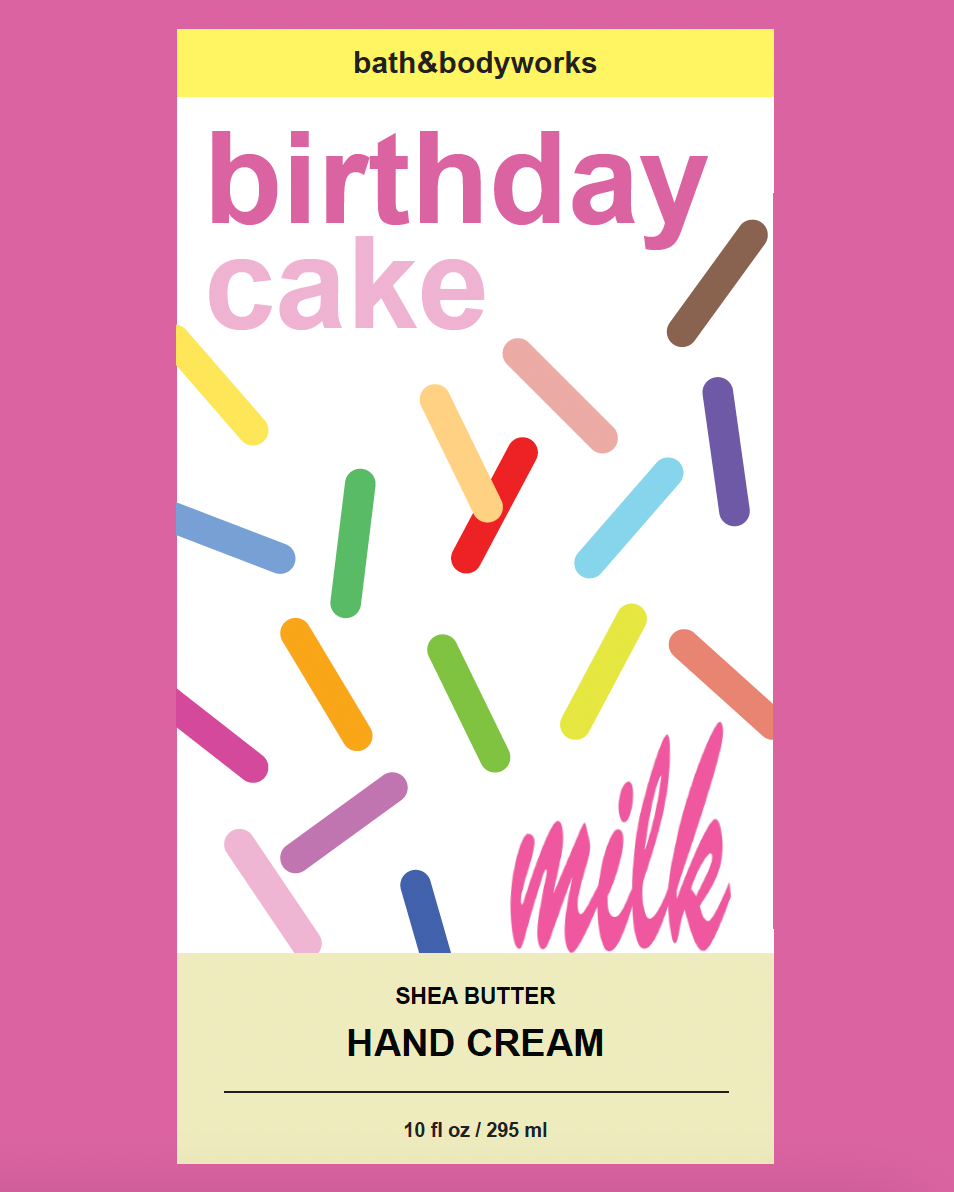
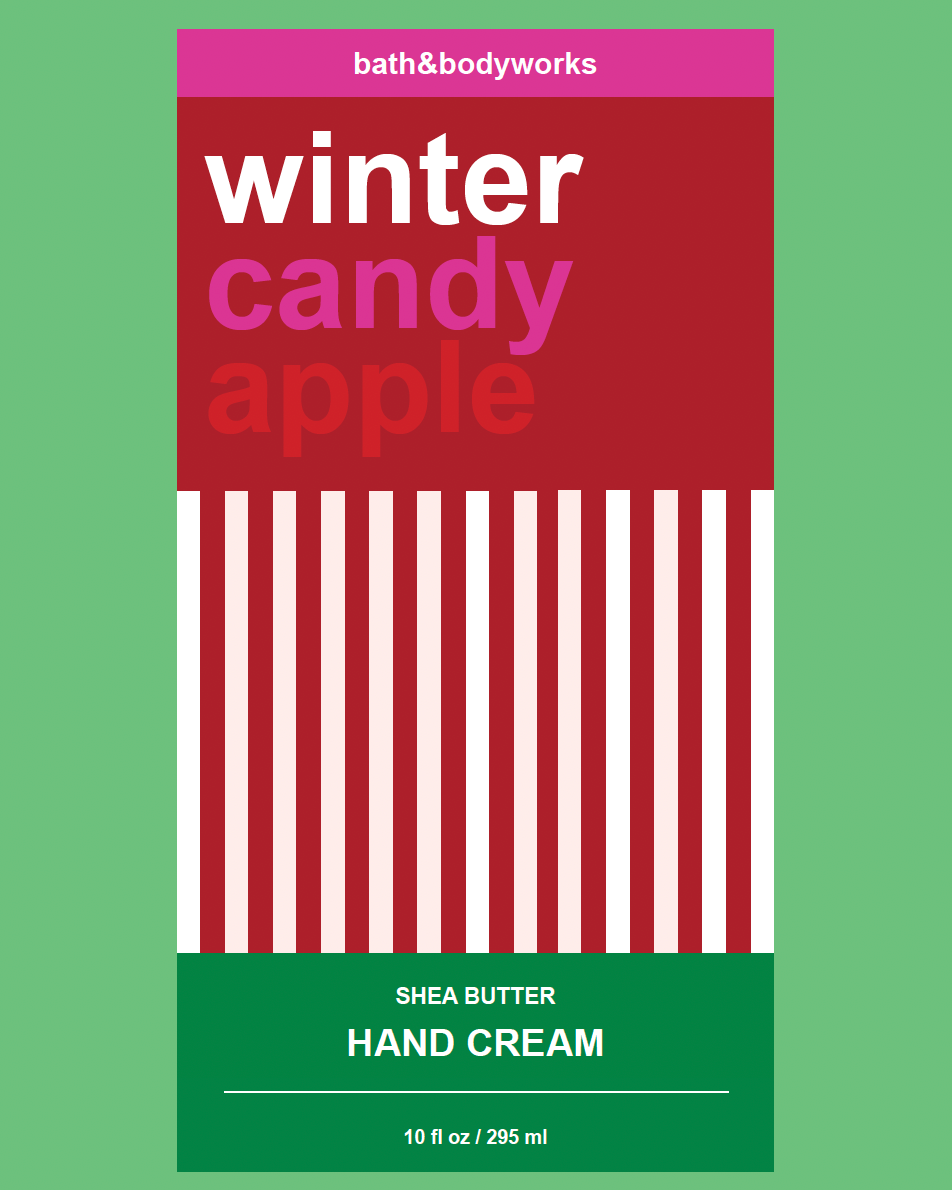
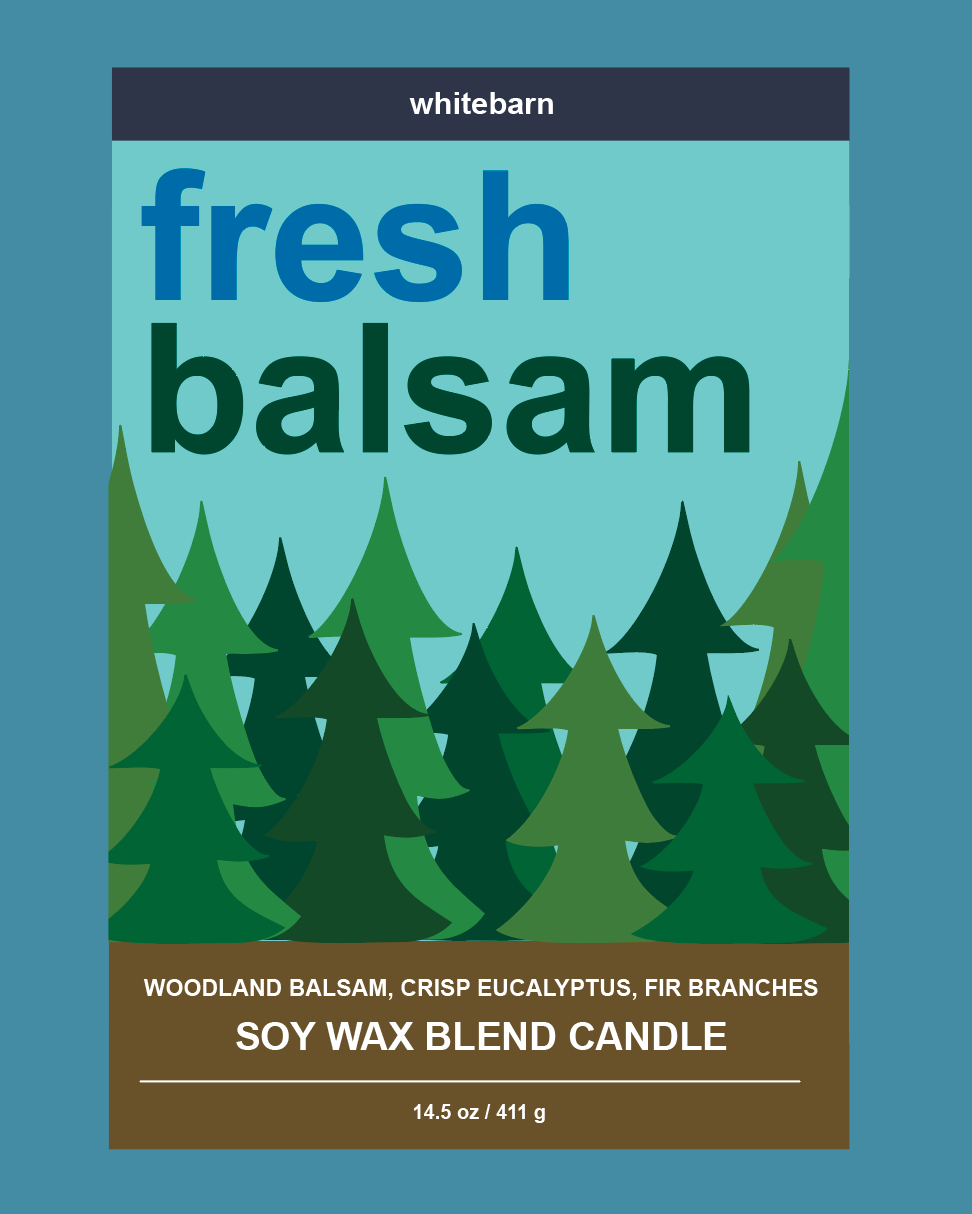
BATH&BODYWORKS: GEN Z PACKAGING REBRAND
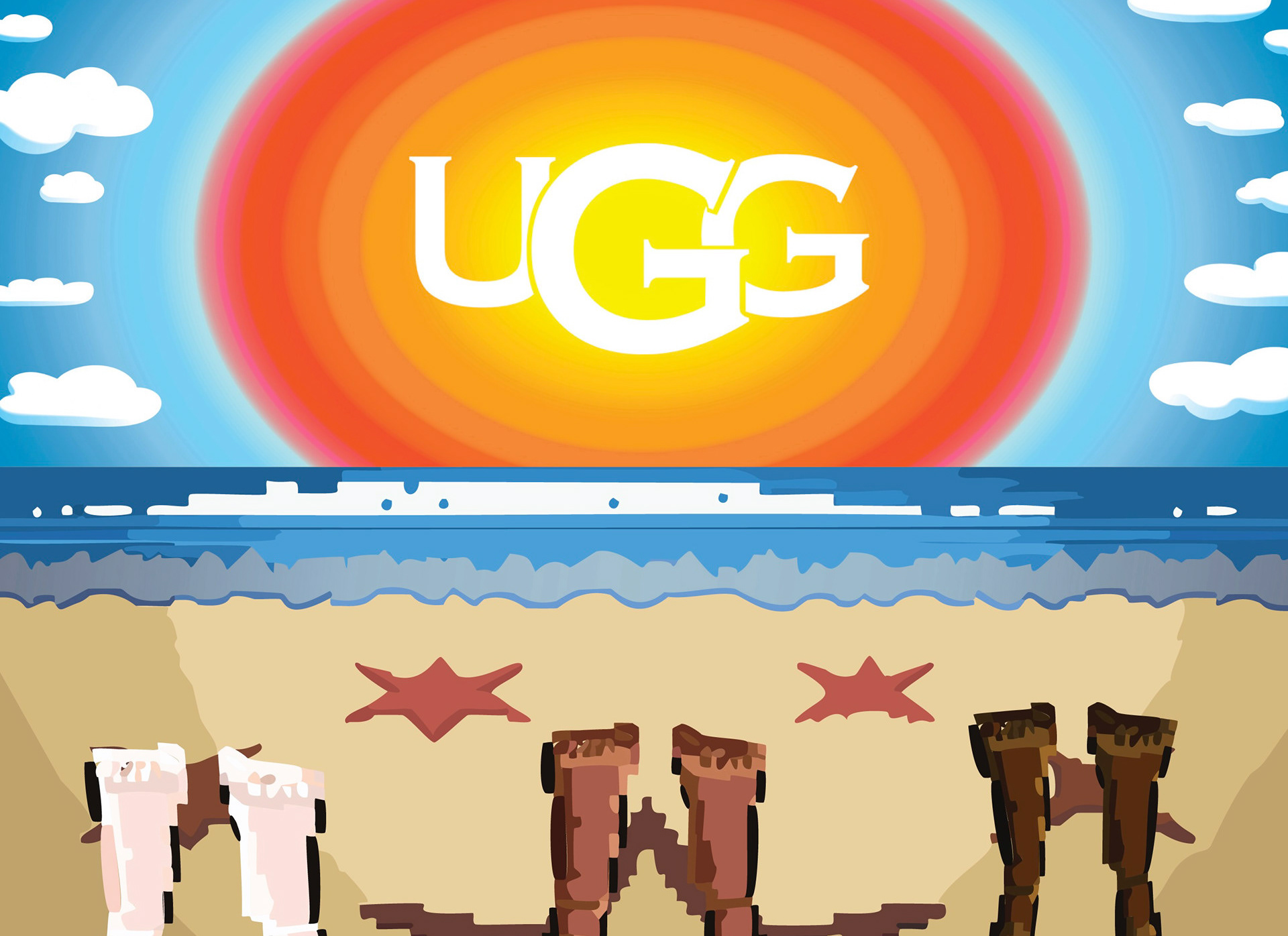
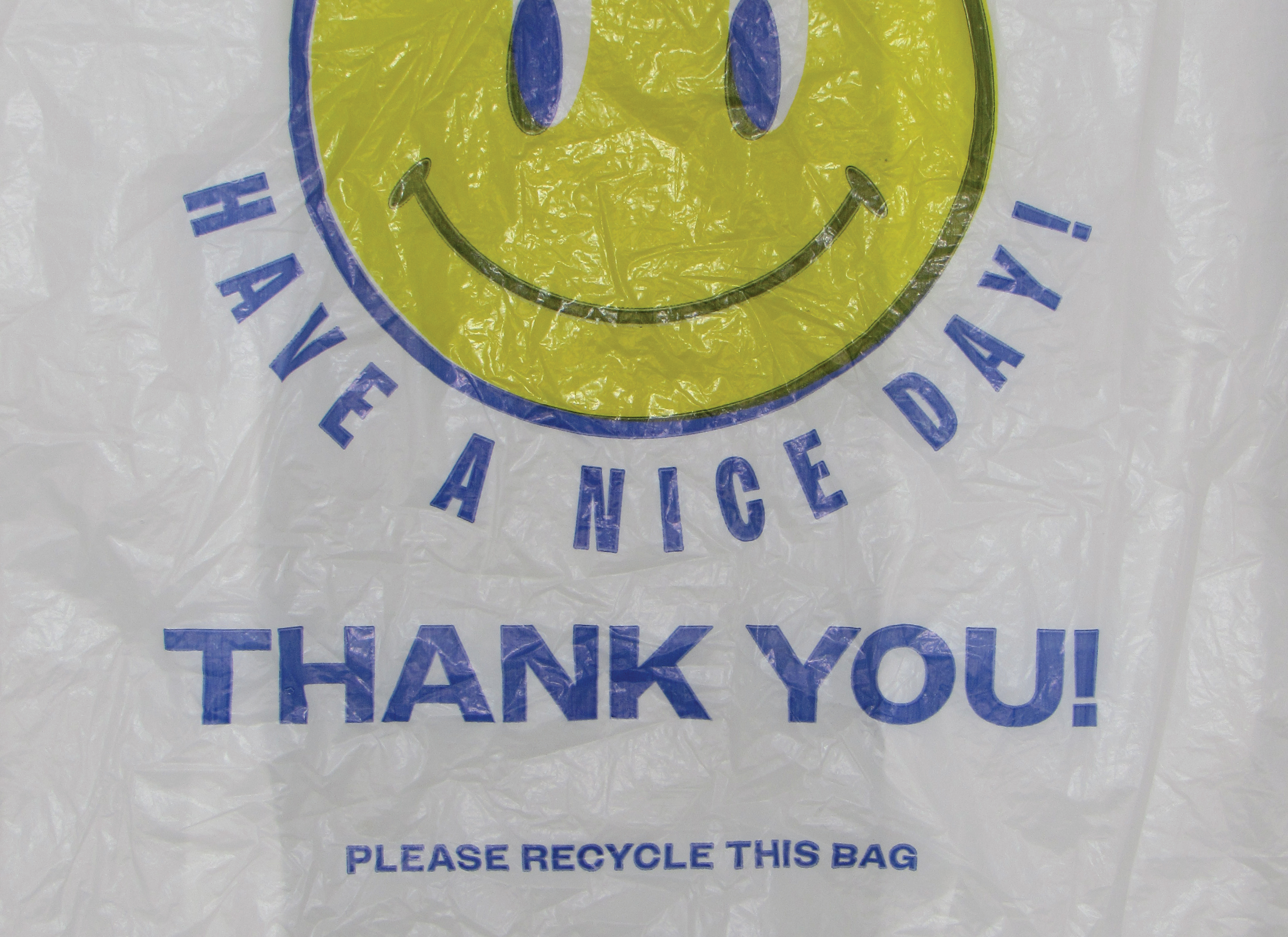
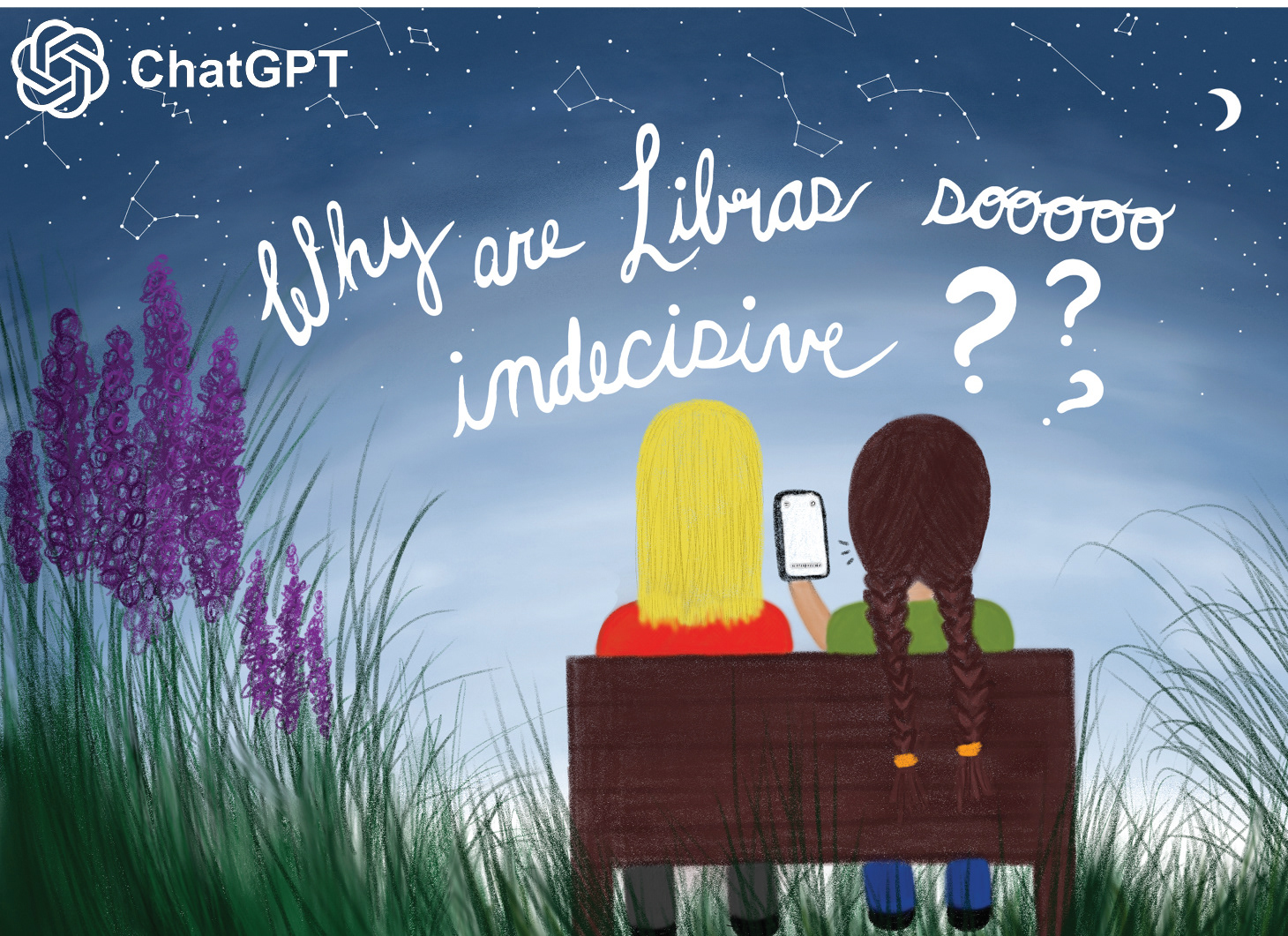
This project is an ongoing experimental packaging rebrand inspired by Bath&BodyWorks' recent Gen Z targeting effort, as they've recently entered over "600 college campus bookstores nationwide” beginning in August 2025 (Rubin, 2025). The core problem with Bath&BodyWorks is the high product release and redesign turnover, which forces design teams to rapidly ideate imagery each season. This rebrand is designed to mitigate future instances of confusing, incidentally harmful, or offensive designs, which the brand has struggled with in the past, making headlines on major news networks like ABC and CNN (Valinsky, 2024). This rebrand strategy suggests minimalistic, standardized, evergreen designs that can be used year-round across all product types. The new approach reduces pressure on the teams responsible for constantly generating differentiated material and allows for these resources to be reallocated to alternative segments of the business. The proposed packaging design also utilizes lowercase Arial type to appeal to Gen Z, mimicking the casual, friendly communication that the target group is most familiar with (Jobe, 2025). This behavior is characteristic of this specific demographic and is most often exhibited through text messaging or social media channels. Additional supporting evidence came from online forums and social media platforms, where young users have expressed strong, negative sentiment with an overall distaste for Bath&BodyWorks' seemingly AI-generated designs (Reddit user @gargoil666, 2025). Gen Z's observations serve as proof of how younger demographics are becoming more attuned to identifying AI-generated material, with one user even stating that they “will literally design it [the packaging] for free” (TikTok user @grim.r3efer, 2025). As a group of users who are particularly attentive to product look-and-feel, brands must be wary of relying on artificial intelligence when communicating with Gen Z. This claim is supported by research conducted at Sonoco Products Company, which revealed “60% [of this demographic] saying that finishes influence their purchasing decisions” (Sonoco Products Company, 2026). This approach is evidently ineffective in advertising, as chatbots lack the ability to both strategically and creatively target users, a capability that only we humans possess. Decreased brand trust can result in detrimental implications for Bath&BodyWorks' brand loyalty, risking a permanent loss of its consumer base in the future. Although the theory surrounding Bath&BodyWorks' production methods has not been confirmed or denied publicly by the brand itself, it is clear that the current design strategy (or lack thereof) appears increasingly random and apparently strange for a legacy name with an assumably robust budget. Completely AI-generated creative with little revision or deviation from the source may be a major contributor to these design misfires, resulting in the significant backlash the brand has faced. This strategy was developed in 2025, but new information from DigiDay Media's beauty and fashion publication reports that the brand is currently "modernizing its packaging and formulations to keep up with new demands" (Jensen, 2026). Maybe Bath&BodyWorks' new CEO, Daniel Heaf, is more aware of the brand's shortcomings than I previously thought. I am very curious and eager to see the brand’s design direction moving forward.